
News
Dangers of High Salt Intake Go Beyond Blood Pressure – Experts Warn

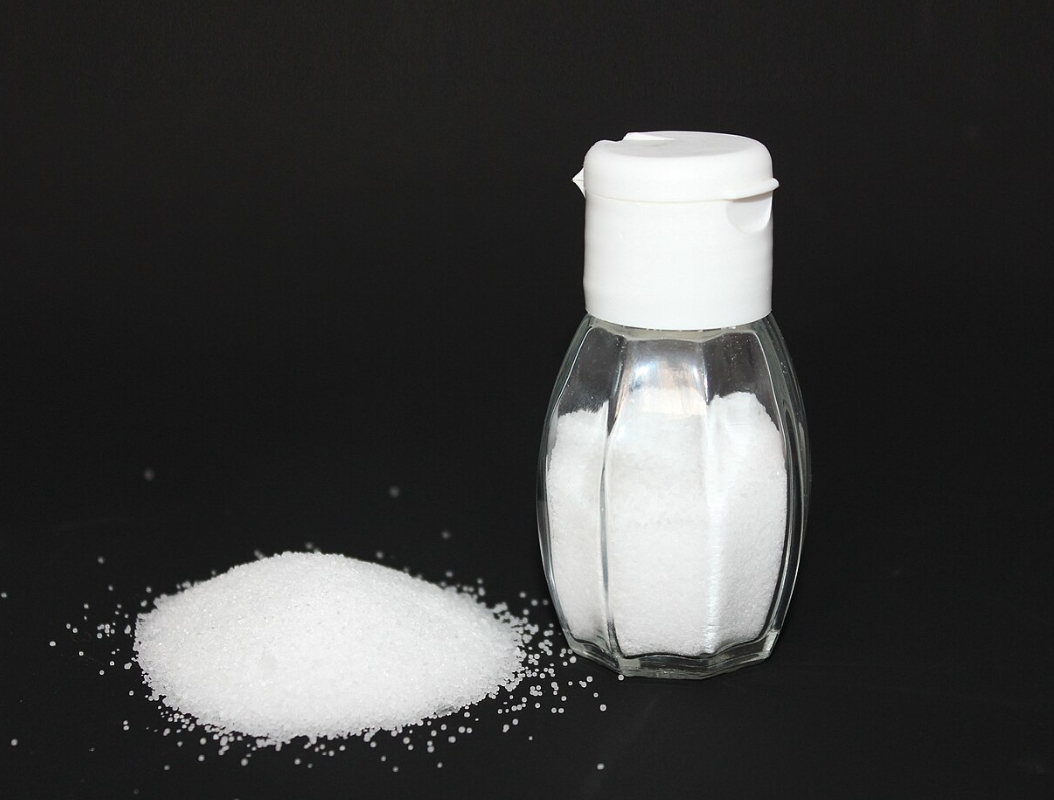
Health experts have renewed warnings on the dangers of excessive salt consumption, stressing that high sodium intake poses serious risks to both physical and mental health.
According to the American Heart Association (AHA), consuming too much salt significantly increases the risk of high blood pressure, a leading cause of heart attacks and strokes. Beyond cardiovascular disease, excessive sodium has also been linked to stomach cancer, osteoporosis, kidney damage and other life-threatening conditions.
Registered dietitian and nutritionist, Karen Z. Berg, MS, RD, CSO, CDN, explained that high salt intake places a heavy burden on vital organs, especially the heart and kidneys.
“High sodium intake is especially bad for your heart and kidneys. People who have heart disease, kidney disease, diabetes, or fatty liver need to really watch their sodium intake so that they don’t make their conditions worse,” she said.
Recent research has also suggested that excessive salt may negatively affect mental health, adding to growing concerns about the wide-ranging impact of sodium on the body.
Berg noted that many people unknowingly consume far more salt than recommended, largely because of processed and packaged foods. The Dietary Guidelines for Americans advise healthy adults to limit sodium intake to 2,300 milligrams per day , about one teaspoon of salt.
She urged consumers to pay close attention to food labels, explaining that a product can only be described as “low sodium” if it contains 140 milligrams or less per serving. She also warned against being misled by terms such as “less sodium,” which only indicate a reduction from the original amount, not that the product is safe for regular consumption.
Health professionals say reducing salt intake by choosing fresh foods, limiting processed meals and carefully reading labels can go a long way in preventing hypertension, organ damage and other complications associated with excessive sodium.