
Health
Natural Remedies and Expert Tips to End Sensitive Teeth

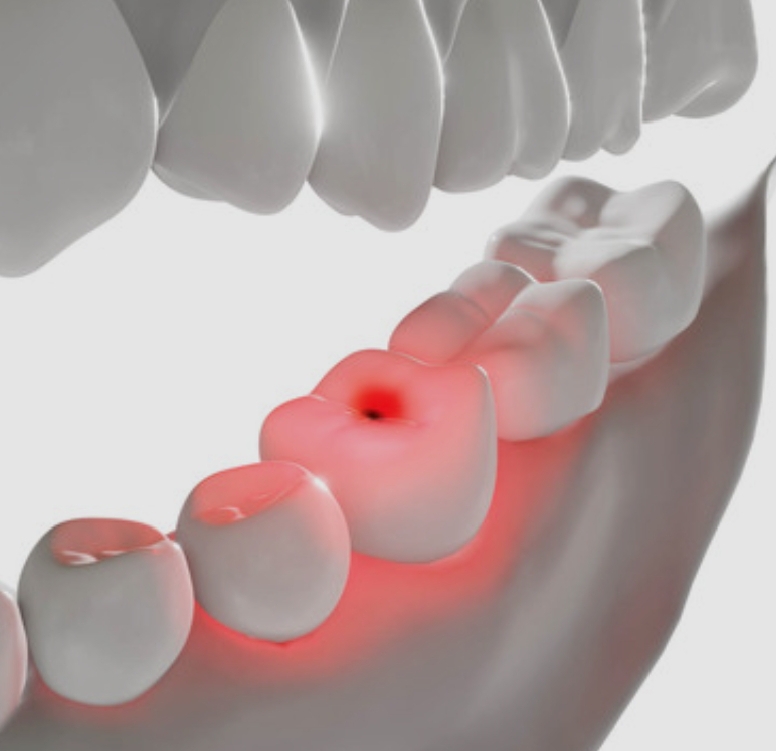
Having sensitive teeth can make eating and drinking uncomfortable, sometimes even painful.
The problem often occurs when the protective enamel wears down, exposing the dentin and the nerves beneath.
Home remedies and regular dental checkups remain the most effective ways to prevent and manage the problem.
Below are some natural remedies and preventive tips, backed by scientific findings:
Oil Pulling
Swishing coconut or sesame oil in the mouth for a few minutes daily may help reduce gum disease and plaque. Studies suggest this traditional Ayurvedic practice can ease gingivitis, which is linked to gum recession and increased tooth sensitivity.
Guava Leaves
Chewing guava leaves or using extracts may relieve tooth pain. The leaves contain flavonoids with anti-inflammatory, antimicrobial and pain-relieving properties.
Clove Oil or Gel
Long used in folk medicine, clove contains eugenol, a natural anesthetic. Research shows clove gel can be as effective as some dental numbing agents in reducing pain.
Garlic
When crushed or chewed, garlic releases allicin, a compound with strong antibacterial effects. It may help fight bacteria responsible for tooth decay, which can worsen sensitivity.
Saltwater Rinse
A simple saltwater mouthwash can reduce bacteria and dental plaque. Studies show it may be as effective as some medicated mouthwashes.
Capsaicin (Chili Pepper Extract)
Though spicy, capsaicin can numb nerve fibers and reduce pain when used topically in gel form.
Turmeric
This common spice contains curcumin, known for its anti-inflammatory and pain-relieving properties. A paste of turmeric and water applied to the gums may help soothe discomfort.
Fluoride and Desensitizing Products
Fluoride strengthens enamel and reduces sensitivity. Desensitizing toothpastes containing potassium, oxalates or metal ions help block pain signals by sealing tiny channels in the dentin.
COMMON CAUSES OF SENSITIVE TEETH
1.Worn enamel
2.Gum recession and gingivitis
3.Tooth decay
4.Excessive or hard brushing
5.Acidic foods and drinks
6.Teeth grinding or clenching
7.Frequent tooth whitening
HOW TO PREVENT TOOTH SENSITIVITY
1. Brush twice daily with fluoride toothpaste
2. Floss regularly
3. Avoid overly acidic and sugary foods
4. Use a soft-bristled toothbrush
5.Wear a mouthguard if you grind your teeth
6. Visit the dentist routinely
7.Quit smoking
WHEN TO SEE A DENTIST
Persistent or severe sensitivity should not be ignored. Dentists may recommend fluoride treatments, fillings, crowns, gum grafts or, in severe cases, root canal therapy.
Source: MNT