
News
Migraine or Just a Headache? How to Spot the Difference Fast

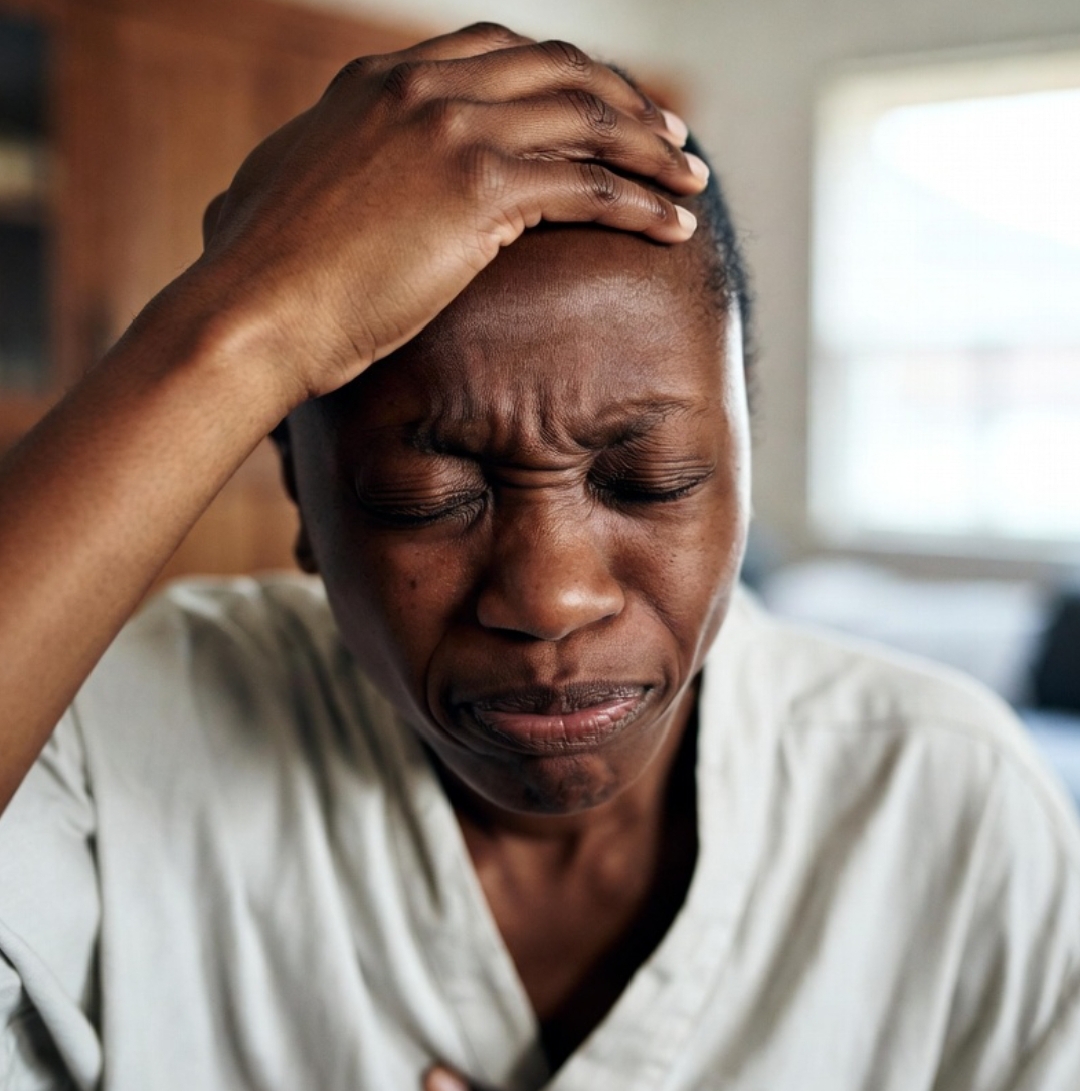
Headaches are common , migraines are not. While both cause head pain, migraines are distinct neurological condition that often come with intense, disabling symptoms and can last for hours or even days.Knowing whether you’re dealing with a regular headache or a migraine is crucial. It can mean the difference between quick relief with over-the-counter drugs and the need for targeted medical treatment.
Migraine vs Headache: What Sets Them Apart
Headaches usually cause mild to moderate pain or pressure around the head, face, or neck. Migraines, on the other hand, are a severe primary headache disorder and often far more debilitating.
While all migraines can involve headaches, not all headaches are migraines. Some migraines don’t even cause head pain at all.
Key Differences at a Glance
Headaches: Pain or pressure in the head, face, or neck; varies in intensity and frequency
Migraine: Intense, throbbing pain (often one-sided) with possible nausea, light sensitivity, aura, and fatigue
Migraines typically last longer, feel worse, and disrupt daily life far more than common headaches.
COMMON HEADACHE TYPES
Tension Headaches
The most common type, often described as a tight band around the head. Triggers include stress, poor posture, jaw clenching, hunger, and lack of sleep.
Cluster headaches
Severe, piercing pain on one side of the head, usually behind the eye. They strike in cycles , multiple attacks daily for weeks or months , and are often linked to smoking or alcohol.
Hemicrania Continua
Persistent, one-sided headaches that fluctuate in severity and may occur several times a day. Physical exertion and alcohol are common triggers.
What Makes Migraine Different
Migraine is a neurological disorder, not just a bad headache. Attacks can include multiple phases:
Prodrome: Mood changes, food cravings, neck stiffness
Aura (in some people): Visual disturbances, tingling, speech difficulty
Headache phase: Severe throbbing pain, nausea, vomiting, light and sound sensitivity
Postdrome: Exhaustion, confusion, or “brain fog”
Some people experience migraines several times a week, while others have occasional attacks.
WHO IS MORE AT RISK?
Migraine is more common in women and people with:
1.A family history of migraine
2.Mood disorders such as anxiety or depression
3.Sleep disorders
4.Triggers often include stress, skipped meals, caffeine, fatigue, and physical inactivity.
WHEN TO SEE A DOCTOR
Not all headaches are created equal. Migraines are a serious neurological condition that demand proper diagnosis and treatment.
Knowing the difference can speed up relief, prevent complications, and dramatically improve quality of life.
Seek medical attention if headaches are frequent, severe, or come with:
1.Vision problems
2.Numbness or weakness
3.Difficulty speaking or thinking
4.Seizures or sudden changes in symptoms