
News
Just In: Tinubu Signs Electoral Bill Into Law

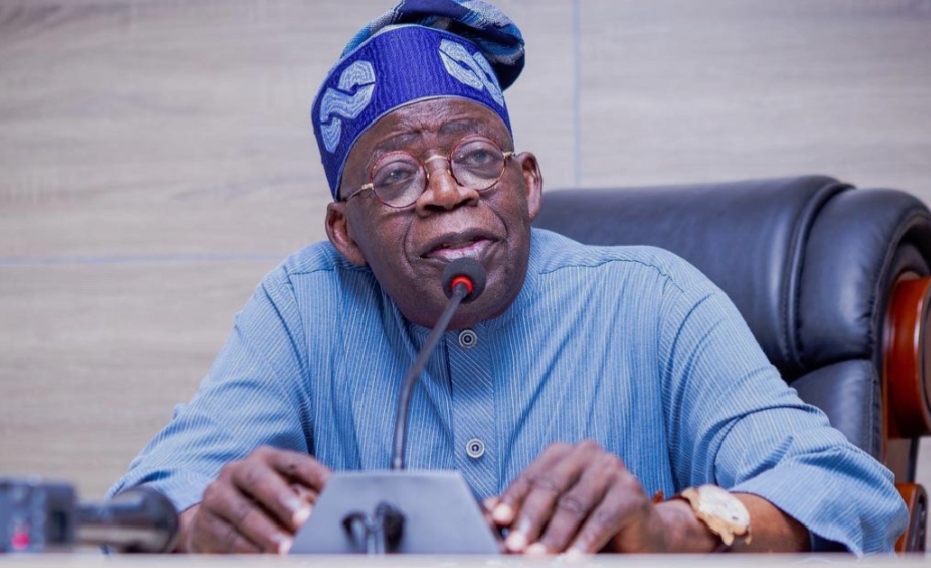
President Bola Tinubu on Wednesday signed the Electoral Act 2026 (Amendment) into law, a move that has immediately stirred renewed national debate over the electronic transmission of election results just days after the Independent National Electoral Commission unveiled the timetable for the 2027 general elections.
The signing ceremony took place around at the Presidential Villa, Abuja, in the presence of principal officers of the National Assembly of Nigeria, barely 24 hours after lawmakers passed the amendment bill.
At the heart of the controversy is the issue of real-time electronic transmission of results. Civil society organisations and opposition voices have consistently advocated the live upload of polling unit results to INEC’s central server, arguing that it would reduce manipulation and boost electoral transparency.
Tensions escalated last week when protesters stormed the National Assembly complex, demanding mandatory live transmission. They cited the technical breakdown of INEC’s Results Viewing Portal during the 2023 elections, an incident that fueled widespread allegations of irregularities.
While the ruling All Progressives Congress has expressed support for deeper integration of technology in the electoral process, some stakeholders are calling for a gradual or hybrid model. They argue that communities with weak telecommunications infrastructure should retain manual collation options where electronic systems fail.
Meanwhile, preparations for the next electoral cycle are gathering pace. According to INEC’s schedule, presidential and National Assembly elections will hold on February 20, 2027, while governorship and State Houses of Assembly polls are slated for March 6, 2027.