
Health
Tongue Bites: Quick Relief and Prevention Tips

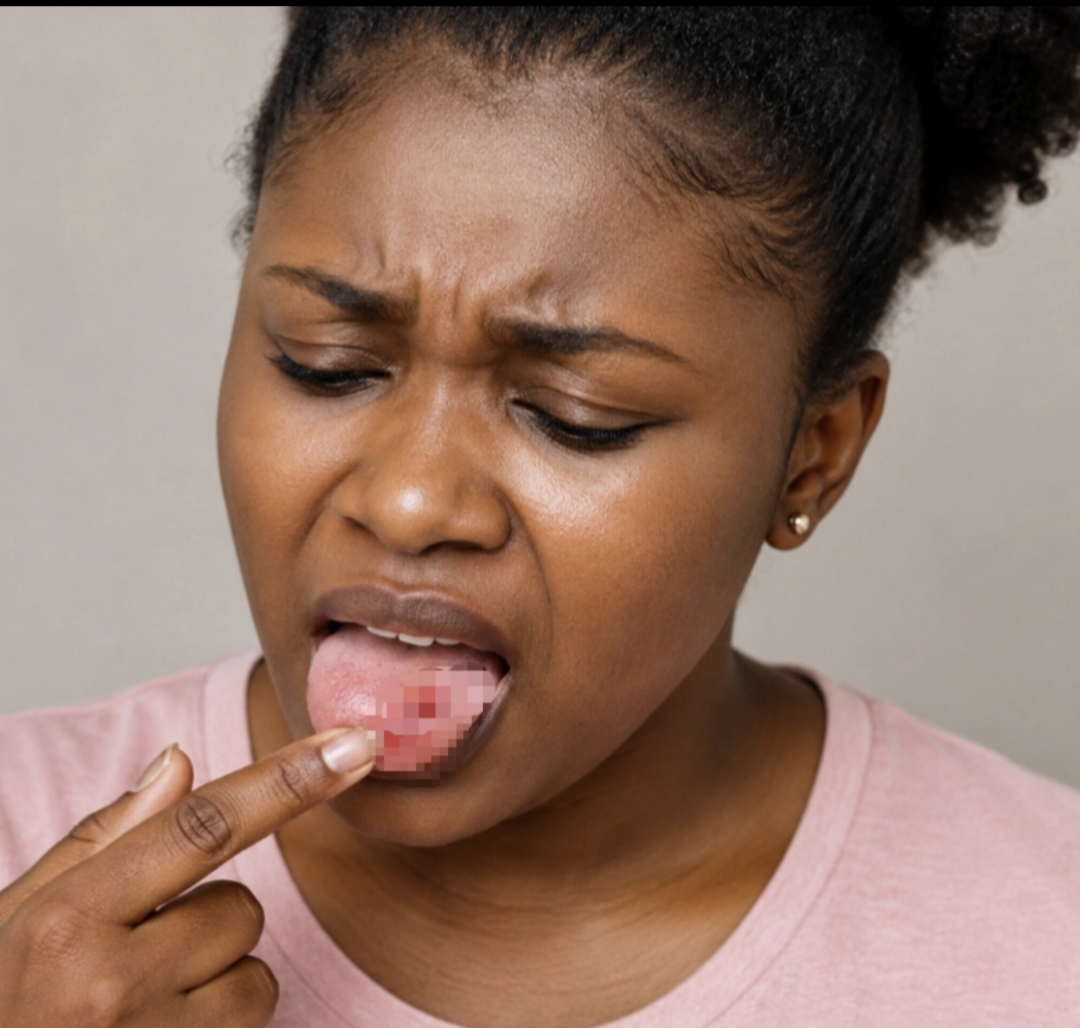
The tongue is one of the body’s most important muscles, playing a vital role in breathing, eating, speaking, and swallowing. Although accidentally biting the tongue is a common occurrence, it can be painful and, in some cases, require medical attention. Fortunately, most tongue bites heal on their own with simple home care.
Children are more likely than adults to bite their tongues because they are generally more active and prone to falls and injuries.
In most cases, people know when and how they injured their tongue, and the wound heals without medical intervention. However, if medical attention is required, a healthcare provider will assess the size, depth, and location of the injury to determine whether stitches are necessary.
For people who repeatedly bite their tongues during sleep, doctors may investigate underlying conditions such as sleep apnea, teeth grinding (bruxism), or epilepsy.
COMMON CAUSES
Tongue bites may result from:
1. Falls and accidents.
2. Sports-related injuries.
3. Road traffic crashes.
4. Physical fights.
5. Seizures associated with epilepsy.
6. Teeth grinding (bruxism).
7. Sleep-related muscle spasms.
8. Vigorous or unconscious chewing.
9. Body-focused repetitive behaviors.
TREATMENT
Most tongue bites can be managed at home by following these steps:
– Rinse the mouth gently with clean water to remove blood and debris.
-If the tongue is swollen, apply an ice pack or ice wrapped in a clean cloth. Avoid placing ice directly on the tongue.
– If bleeding occurs, apply firm pressure with sterile gauze or a clean cloth for up to 15 minutes.
– Keep the wound clean by rinsing the mouth after meals with warm salt water prepared by mixing one teaspoon of salt in one cup of warm water.
Medical attention should be sought if bleeding does not stop after 15 minutes, the wound is deep or large, or if the tongue appears partially severed.
Studies suggest that stitches are usually required only for tongue wounds larger than two centimetres or those involving the tip of the tongue.
Most minor tongue bites heal within six to seven days. More severe injuries that require stitches may take up to two weeks to heal completely.
During recovery, eating soft foods such as yogurt, soups, eggs, custard, cottage cheese, well-cooked vegetables, canned fruits, tuna, and ice cream can help reduce discomfort.
People should avoid citrus fruits, tomatoes, spicy or salty foods, tobacco, and alcohol, as these may irritate the wound and delay healing.
Over-the-counter pain relievers, including ibuprofen or acetaminophen, may be used as directed to relieve pain.
Prevention
Although not all tongue bites can be prevented, the following measures can reduce the risk:
– Wear helmets, face masks, or mouth guards during sports and other high-risk activities.
– Childproof homes to reduce falls and accidents.
– Encourage careful chewing while eating.
– Always wear seat belts and ensure children use appropriate car seats.
– Individuals with epilepsy should work closely with their healthcare providers to manage seizures safely.
– People who grind their teeth or have sleep apnea should seek evaluation and treatment from a dentist or sleep specialist.
Possible Complications
Most tongue injuries heal without complications. However, severe injuries may lead to:
– Infection.
– Permanent changes in the appearance of the tongue.
– Difficulty speaking, eating, or swallowing.
– Airway obstruction in rare cases.
Prompt medical care can help prevent these complications.
When to Seek Medical Attention
Immediate medical evaluation is recommended if:
– Bleeding is severe or does not stop after applying pressure.
– Breathing becomes difficult.
– The person develops a rapid or weak pulse.
– The skin becomes pale or clammy.
– Signs of infection, such as increasing pain, swelling, pus, or fever, develop.
– The tongue appears deeply cut or partially severed.
In all, accidentally biting the tongue is usually a minor injury that heals within a week with proper home care. Maintaining good oral hygiene, eating soft foods, and avoiding irritants can promote faster healing. However, severe bleeding, deep wounds, breathing difficulties, or signs of infection require prompt medical attention to prevent complications.
(MNT)